
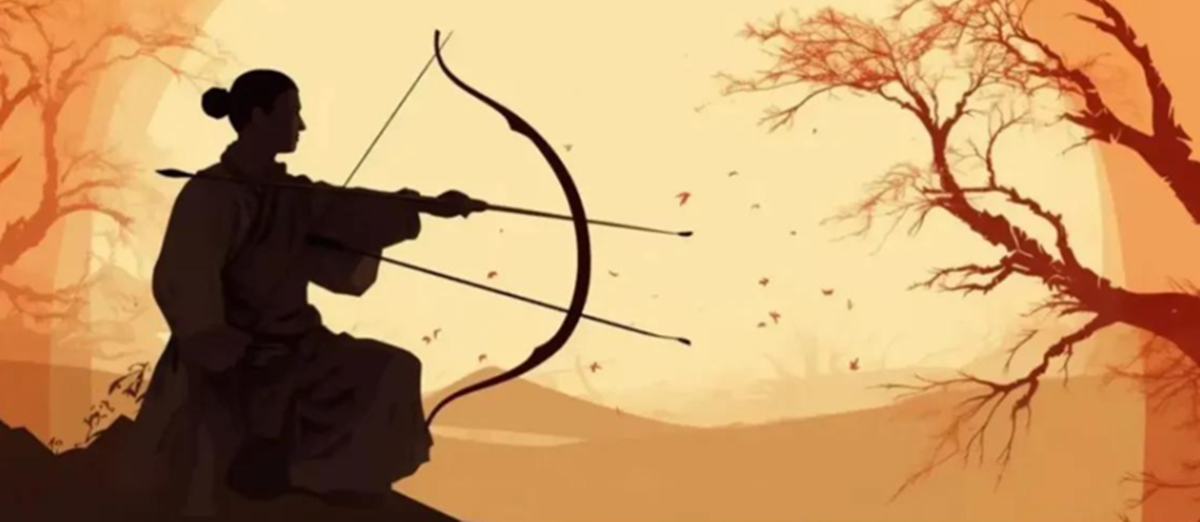
“Mastery of the Mind begins when we understand what is us,
and our homework, and what is not, and never was”
Carole Sawo
It is surely very difficult when we have a challenging or damaging experience and can’t seem to get over it. This is fundamentally the philosophy of the Second Arrow.
In Buddhism, the Second Arrow is a metaphor that comes with a warning. The first arrow is the unavoidable painful experience – physical or emotional pain, loss, disappointment, or any other difficulty that arises as a consequence of being human. The second arrow is the additional suffering we create for ourselves through rumination, regurgitation, anger, resentment, fear, self-criticism, or self-sabotage as we relive what happened over and over again. The philosophy teaches that when we are struck by the first arrow, we immediately strike ourselves with the second. Unlike the first arrow, the second is considered avoidable.
I must say that I often find statements like “just get over it” or “don’t let them bother you” enormously aggravating. I usually respond by saying, “That’s a great idea—how?” Of course, they haven’t got a how. There is, however, great merit in taking more than a minute to consider what the Second Arrow is putting us on guard against. We might not have been able to stop the experience itself, but we can use awareness to notice what we continue to do to ourselves afterwards.
Revenge is an energy haemorrhage. I caution against it for many reasons – for every karmic reason. Continuing to remember the experience feeds energy into the memory and keeps the wound ‘alive’. Sometimes the idea of letting it go creates friction with our sense of justice. I would say, respond by creating psychological and emotional distance between what happened and your centre of consciousness. In that sense, The First Arrow becomes the experience, not using The Second Arrow becomes the wisdom. And mastering the art of mind archery will make you a powerhouse of Zen-level acumen.
All good things,
Carole